Brown Widows vs. Black Widows in National City: How to Tell the Difference
Discover the key differences between Brown Widows and Black Widows in National City, California, and how to manage them effectively.
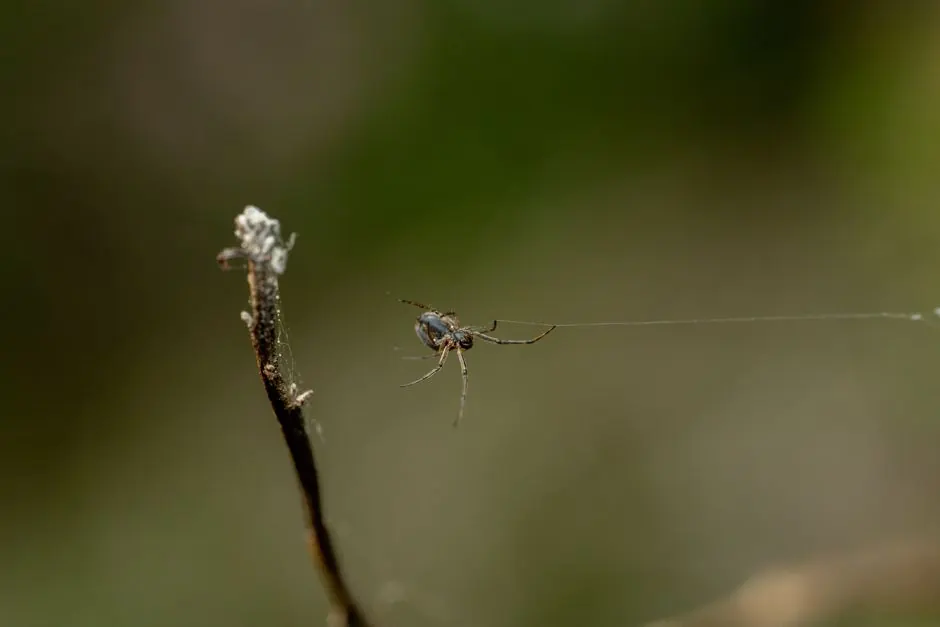
Brown Widows and Black Widows are two of the most recognizable spider species in National City, California. While both are venomous, they exhibit distinct physical characteristics that can help you identify them. This article will delve into how to differentiate between these two spiders, their habitats, and what to do if you encounter them.
Brown Widows vs. Black Widows are both members of the Theridiidae family, known for their web-building habits. Brown Widows (Latrodectus geometricus) are typically less aggressive than Black Widows (Latrodectus mactans), but their bites can still be dangerous. Understanding their differences is crucial for effective spider control.
What Are Brown Widows and Black Widows?
Brown Widows are characterized by their brownish color and an orange or yellow hourglass marking on the underside of their abdomens. In contrast, Black Widows are glossy black with a prominent red hourglass marking. Both species are found throughout National City, especially in warm areas.
How to Identify Brown Widows
Identifying a Brown Widow is relatively straightforward if you know what to look for. Their bodies are generally less than an inch long, with a bulbous abdomen that may exhibit a mottled brown appearance. The hourglass marking is often lighter in color compared to the Black Widow's. Brown Widows tend to have a more slender appearance and longer legs.
How to Identify Black Widows
Black Widows are easily recognized by their shiny black bodies and the vivid red hourglass marking on their abdomens. Adult females are approximately 1.5 inches long, including their legs. Males are smaller and less recognizable, often lacking the hourglass marking. Their webs are irregular and tangled, typically found in secluded areas.
Common Habitats for These Spiders in National City
In National City, both Brown and Black Widows prefer warm, dry environments. You might find them in:
- Gardens and yards, especially near wood piles or debris.
- Basements and crawl spaces in older homes.
- Outdoor furniture and sheds.
- Underneath eaves and porches.
Due to the coastal climate, these spiders thrive in areas with minimal disturbance, making it essential to regularly check your property for signs of infestation.
Common Mistakes When Identifying Spiders
Many people confuse Brown Widows with other brown spiders, such as the Brown Recluse. Unlike the Brown Recluse, Brown Widows do not have a violin-shaped marking on their backs. Additionally, some may mistake Black Widows for harmless garden spiders. Always look for the hourglass marking to confirm identification.
When to Call a Professional
If you suspect a spider infestation in your home or workplace, it's crucial to call a professional. Spider Control Pro offers spider inspection services in National City, ensuring your property is safe from these venomous spiders. Our trained technicians can identify the species and provide effective treatment options.
Frequently Asked Questions
1. How dangerous are Brown and Black Widow bites? Both species can deliver venomous bites that may cause severe pain and other symptoms. Seek medical attention immediately if bitten.
2. How can I prevent spiders from entering my home? Regular cleaning, sealing cracks and crevices, and removing clutter can help prevent spider entry. Consider using preventative spider control solutions for added protection.
3. What should I do if I find a spider in my home? If you find a spider, avoid handling it directly. Use a jar to trap it and release it outside or contact a professional for safe removal.
4. Are there any natural remedies for spider control? Natural repellents, such as essential oils, can deter spiders. However, for severe infestations, professional intervention is recommended.
5. How much does spider control cost in National City? Typical 2026 pricing for spider control services in National City ranges from $100 to $300, depending on the severity of the infestation and treatment required.